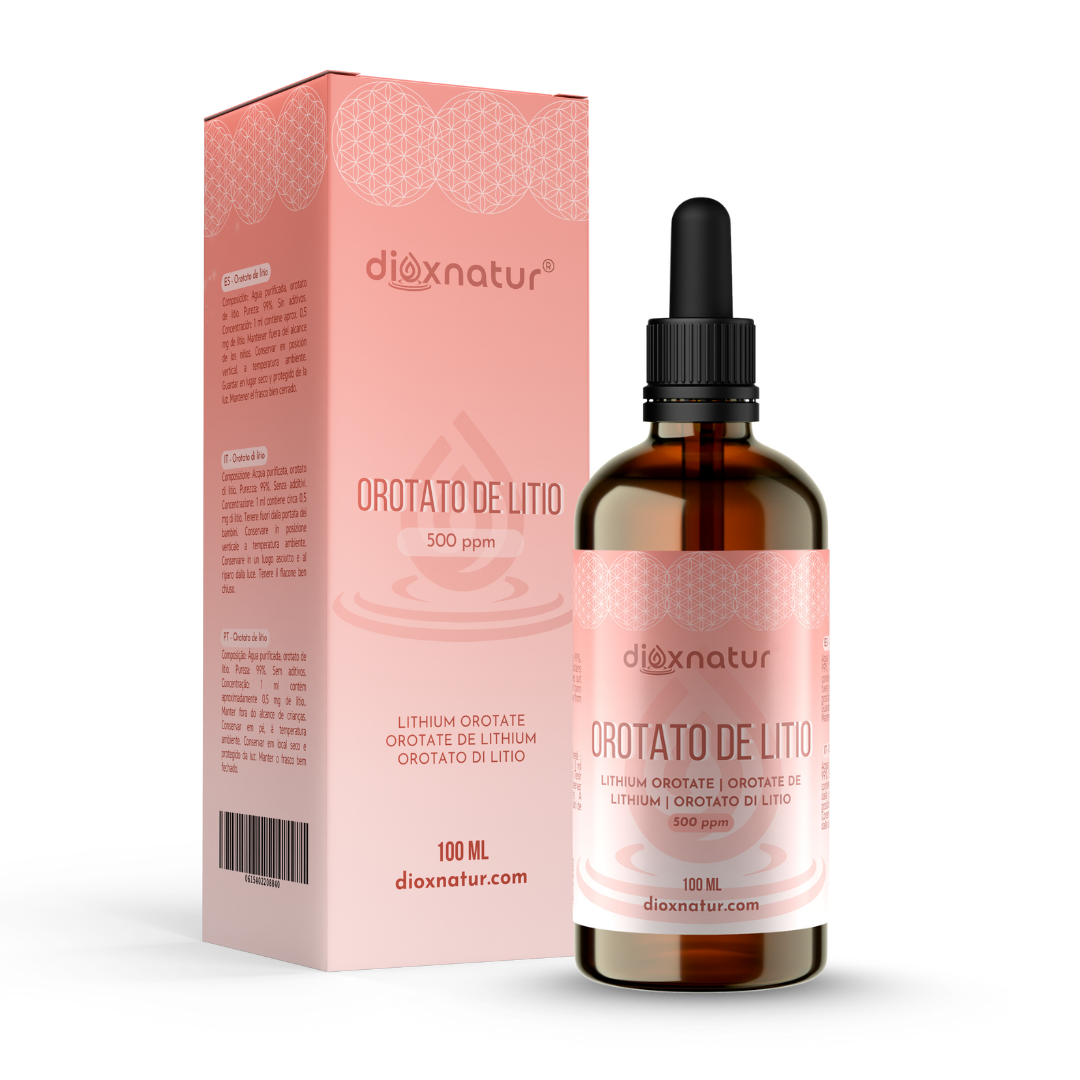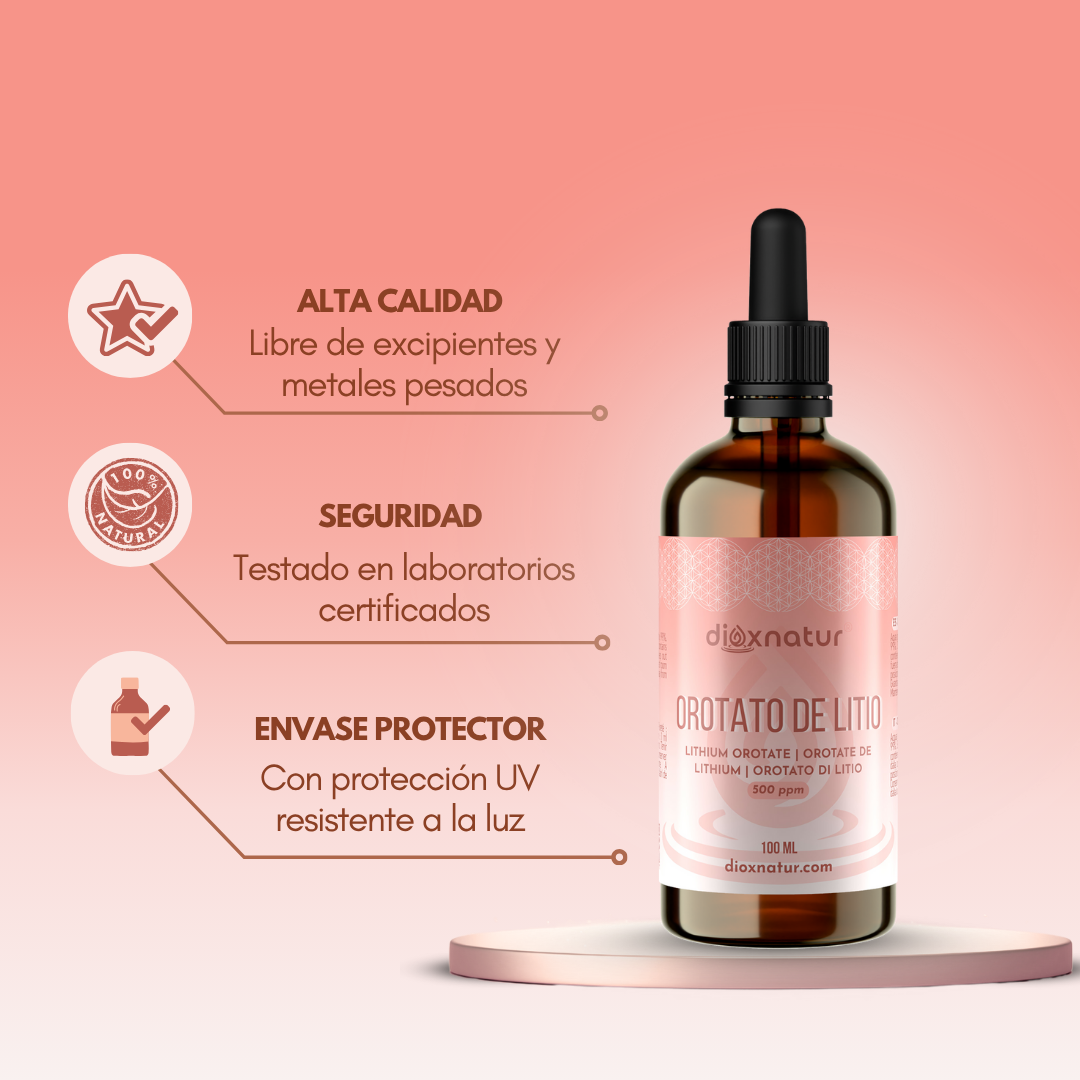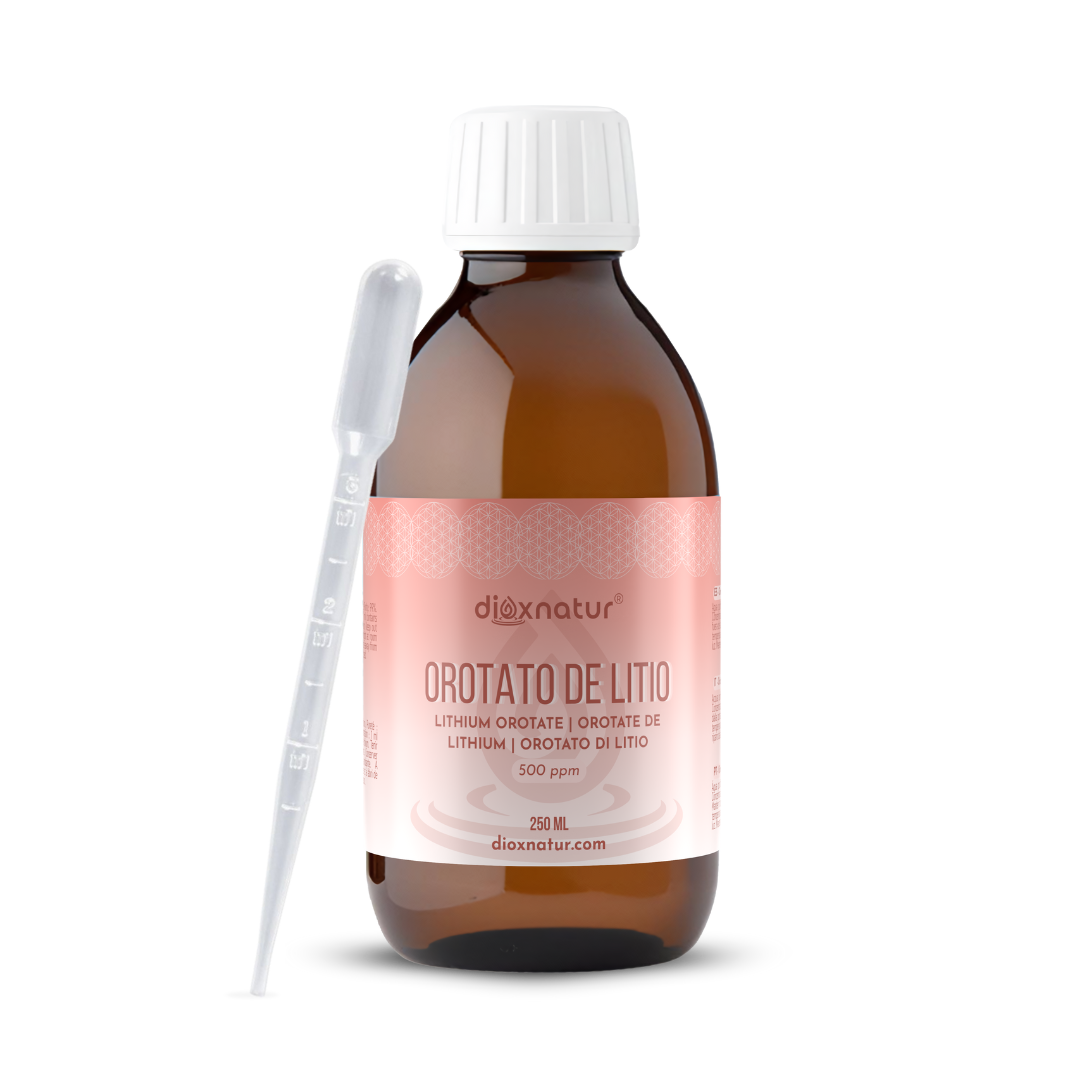


Lithium orotate in very small quantities of elemental lithium (generally between 1 and 5 mg per dose) is not considered toxic to healthy people.
However, as with any lithium-containing compound, its safety depends on the dosage and individual health status. Prolonged use or inappropriate dosages could cause accumulation and unwanted effects, especially in those with kidney, thyroid, or cardiovascular disease.
How does it affect or is it bad for the liver?
There is no scientific evidence to suggest that lithium orotate causes liver damage . Unlike other forms of lithium used in high doses, orotate does not place a significant burden on the liver.
Even so, people with liver disease should consult a health professional before taking it , as the liver is involved in metabolizing many compounds, including mineral supplements.
How it affects the brain
Lithium orotate is associated with possible neuroprotective effects , as small doses may promote emotional stability, memory, and cognitive function.
Some studies suggest that lithium in microdoses may support the production of the neurotrophic factor BDNF , which is related to neuronal regeneration.
Here you can find other benefits of lithium as a supplement .
To date, no brain toxicity has been demonstrated from the use of low-dose lithium orotate.
How does lithium orotate affect the kidneys? Is it bad?
Lithium orotate is primarily eliminated through the kidneys , but the usual doses in supplements are too low to cause kidney damage in healthy people.
In individuals with reduced kidney function , even small amounts could accumulate, so it is advisable to avoid its use or do so under supervision .
There is no evidence that lithium orotate, in nutritional doses, causes kidney damage or changes in urinary function.
Does it cause weight gain?
There is no solid evidence linking lithium orotate to weight gain . This effect is associated with medical lithium used in psychiatry, which is administered in much higher doses.
In contrast, the microdoses present in orotate are much lower and do not significantly affect metabolism or appetite ; you can read more about lithium in relation to weight here.
Which organs does lithium damage?
At nutritional doses, lithium orotate does not damage any known organs. Low doses are well tolerated and are not associated with adverse effects on the liver, kidneys, or nervous system.
However, abuse or combination with other medications may increase the risk of mild side effects, such as tiredness, dizziness, or digestive discomfort.
In summary, lithium orotate is not toxic at recommended doses and shows no evidence of causing organ damage in healthy individuals. Even so, it should be used with caution and under supervision in cases of chronic illness or concurrent treatments.
References:
https://www.sciencedirect.com/science/article/pii/S0273230021001136?utm