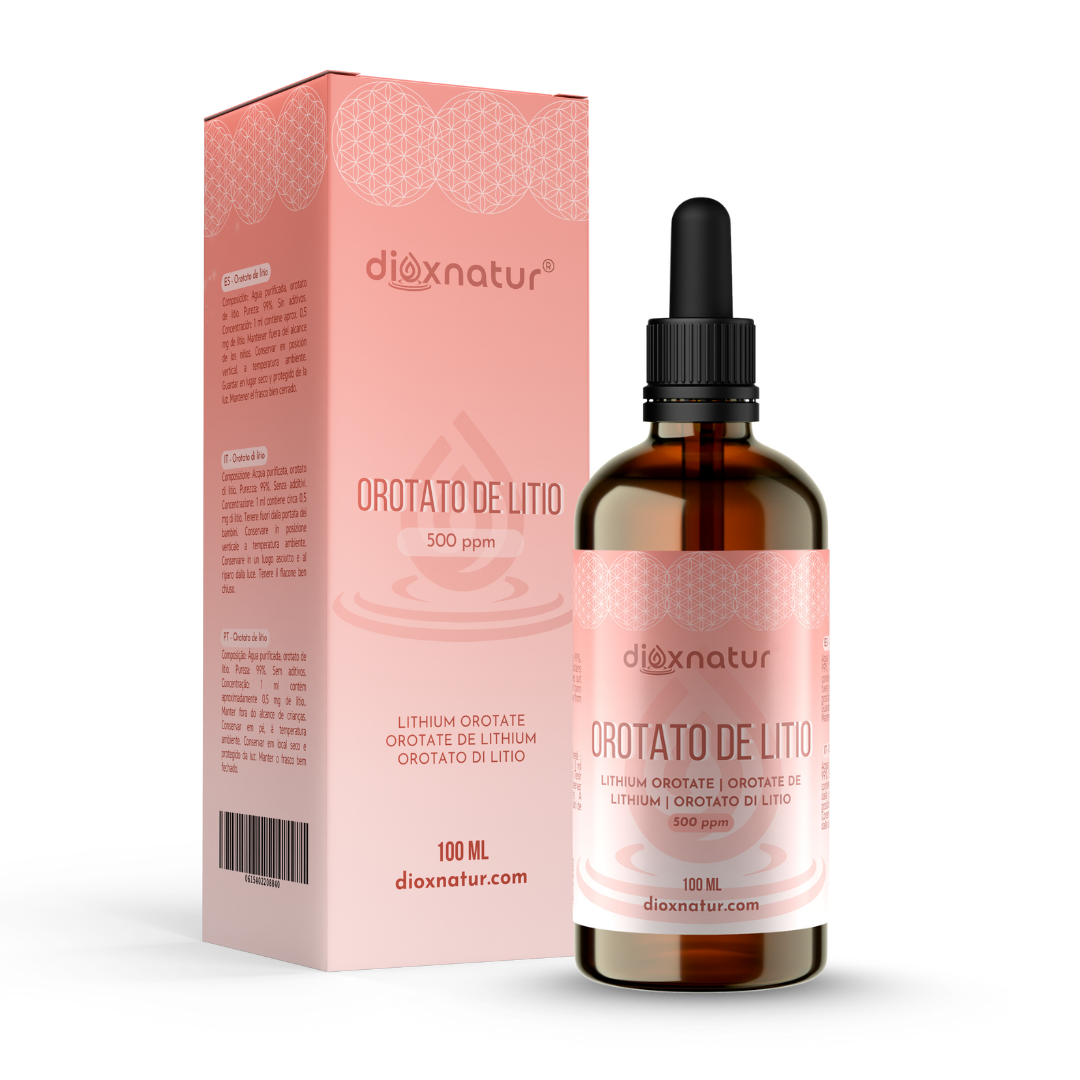


Lithium orotate , in its form as a nutritional supplement (approved in some countries such as the United States) and in microdoses , has not conclusively demonstrated direct negative effects on the thyroid. However, based on what is known about lithium in clinical settings , caution and professional supervision are recommended, especially in individuals with a history of thyroid disorders.
Although the risk with lithium orotate is much lower than with lithium salts used in psychiatry (such as carbonate or citrate), the mineral can interfere with thyroid function in certain cases, especially if taken for prolonged periods or in doses higher than recommended.
Factors that influence risk
The potential impact of lithium on the thyroid depends on several factors:
● Dosage and duration of use: the higher the dose or the longer the time of consumption, the greater the potential risk.
● Individual sensitivity: some people are more susceptible to the hormonal changes caused by lithium.
● Sex and age: lithium-induced hypothyroidism is more common in women over 40 years of age .
● Thyroid autoimmunity: those who have antithyroid antibodies have a higher risk of developing functional disorders.
Possible symptoms of thyroid disorder with lithium orotate
If lithium orotate were to affect thyroid function, symptoms such as the following might appear:
● Persistent tiredness or general weakness.
● Weight gain without changes in diet.
● Dry skin and hair loss .
● Cold intolerance or a constant feeling of cold.
● Mood swings, apathy, or depression .
These signs are often associated with hypothyroidism , the most common form of lithium-related thyroid dysfunction.
Monitoring and recommendations
If taken regularly, it is advisable to have periodic thyroid function checks:
● TSH, free T4 and free T3 analysis every 6 to 12 months.
● Immediate professional review is recommended for persistent symptoms of fatigue, feeling cold, or weight changes.
● Monitor serum lithium levels if high doses are used or in combination with other supplements or medications.
Conclusion
Low-dose lithium orotate is generally considered safe , but it is not without precautions. Its use should be responsible and under professional supervision, especially in people with a history of thyroid problems, autoimmune disorders, or hormonal imbalances .
References
● Lazarus JH. The effects of lithium therapy on thyroid and thyrotropin-releasing hormone. Thyroid. 1998;8(10):909–913. PubMed
● American Thyroid Association. Lithium use is associated with an increased risk of hypothyroidism. thyroid.org
● Psychiatric Education Foundation. Lithium orotate: what we know and don't know. psycheducation.org