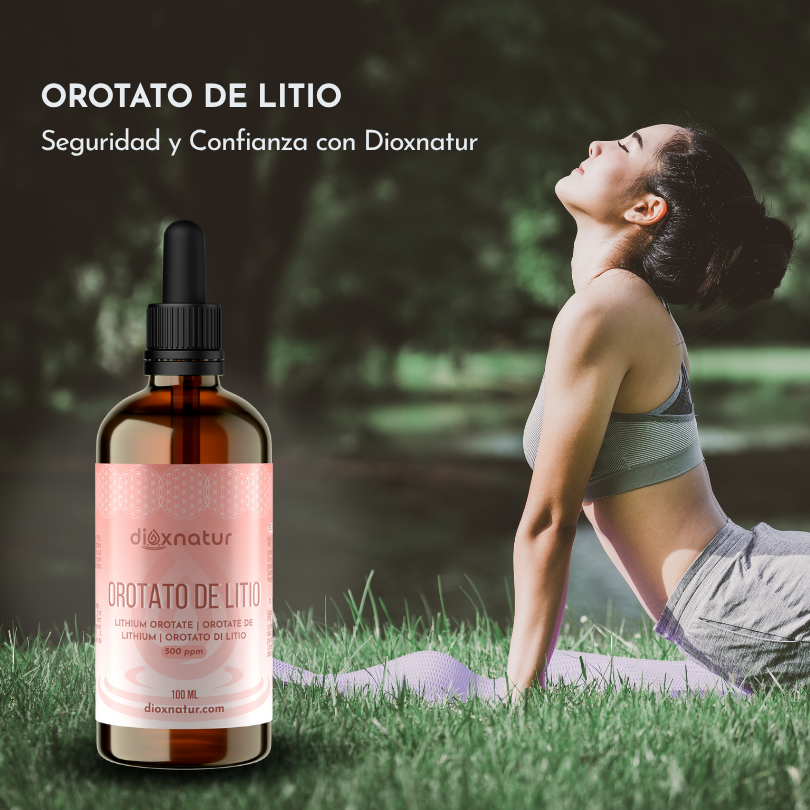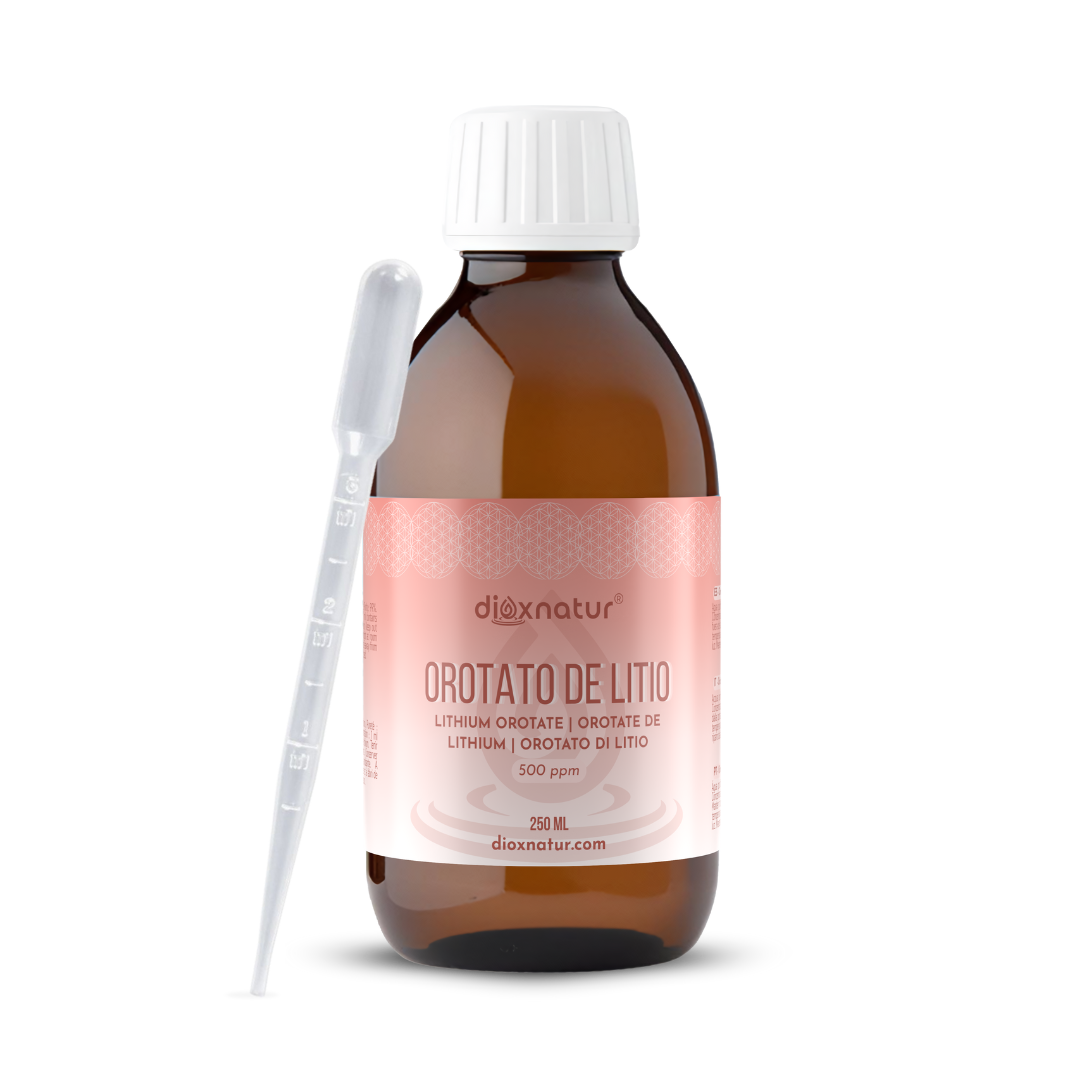


Lithium orotate, a form of lithium used in microdoses as a nutritional supplement in some countries, has garnered interest in recent years for its potential neuroprotective effects . While not to be confused with the clinical lithium used to treat bipolar disorder, research suggests that lithium—even at very low doses—may play an important role in preventing cognitive decline and dementia .
Several studies have shown that lithium helps preserve neurons and reduce neuroinflammation , two key factors in diseases such as Alzheimer's.
A recent British retrospective study observed that people treated with lithium had a lower risk of developing dementia compared to other psychiatric patients who did not receive it.
Furthermore, neuroimaging studies have shown that lithium increases the volume of the hippocampus , the brain region linked to memory and learning.
In the case of lithium orotate , although the doses are much lower than those of clinical lithium, its good cellular absorption could promote a similar protective effect without the risk of toxicity. Preliminary research suggests that lithium in microdoses can stimulate neuronal growth factors (such as BDNF) , improve brain plasticity, and protect against the accumulation of abnormal proteins associated with Alzheimer's disease.
What mental illnesses are treated with lithium?
Lithium has been used for over 70 years as a mood stabilizer and remains one of the most effective and studied treatments in psychiatry. The main mental illnesses for which it is used are:
-
Bipolar disorder: helps prevent manic and depressive episodes, stabilizing mood in the long term.
-
Treatment-resistant depression: at low doses, it may enhance the effectiveness of antidepressants.
-
Personality disorders or chronic irritability: reduces aggressiveness and impulsivity.
-
Neurodegenerative disorders: recent studies are investigating its potential in the treatment of Alzheimer's and other forms of dementia due to its neuroprotective properties.
Lithium orotate , meanwhile, is used in some countries as a supportive supplement to promote emotional stability, improve mental clarity and protect brain function, without requiring such strict supervision as clinical lithium.
What does a lack of lithium cause in the brain?
Lithium is an essential trace element that the body obtains through water and food, but natural levels vary depending on the geographical area.
A chronic lithium deficiency can disrupt the balance of neurotransmitters such as serotonin and dopamine, which are essential for mood control, concentration, and memory.
Studies from Harvard Medical School and Nature (2025) have identified that depletion of brain lithium could be one of the first alterations preceding Alzheimer's disease . The loss of naturally occurring lithium is associated with increased neuroinflammation, oxidative stress, and the accumulation of toxic proteins such as beta-amyloid.
In summary, lithium deficiency may contribute to accelerated brain aging and increase the risk of cognitive decline.
What symptoms does lithium deficiency cause?
Although there are no routine clinical tests to measure lithium levels in the body, deficiency can manifest subtly through emotional, cognitive, and physical symptoms:
-
Mood swings, irritability, or anxiety.
-
Difficulty concentrating or “brain fog”.
-
Fatigue or lack of motivation.
-
Sleep disorders or increased stress.
-
Greater emotional sensitivity and difficulty controlling impulses.
In older people, prolonged deficiency could be related to memory problems, disorientation, or early symptoms of dementia .
For this reason, some researchers propose that a minimum intake of 1 mg of elemental lithium daily , such as that present in lithium orotate, could help maintain healthy brain function and prevent cognitive decline .
References:
https://journals.plos.org/plosmedicine/article?id=10.1371%2Fjournal.pmed.1003941