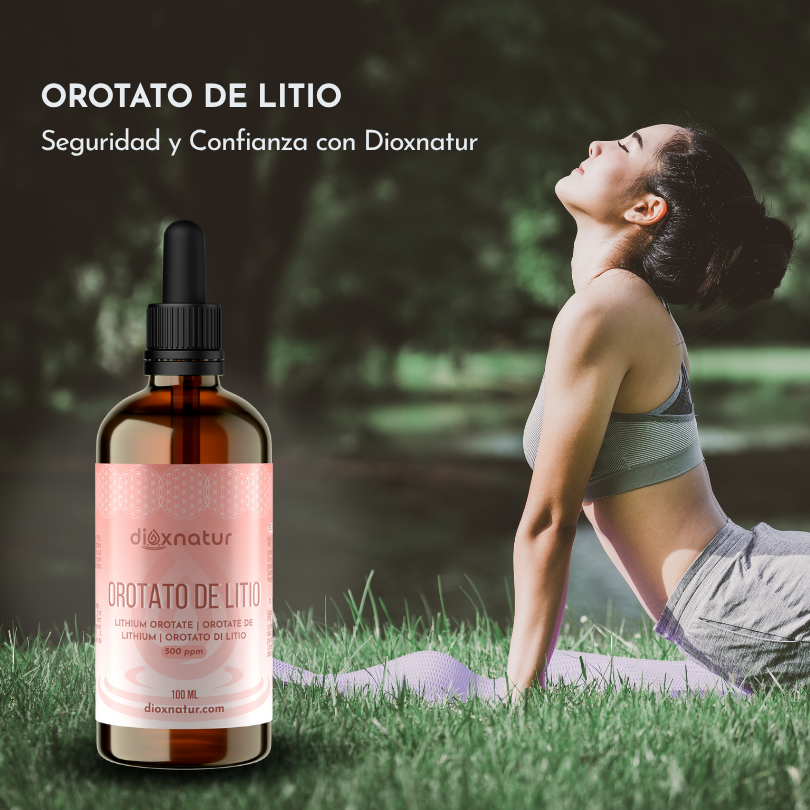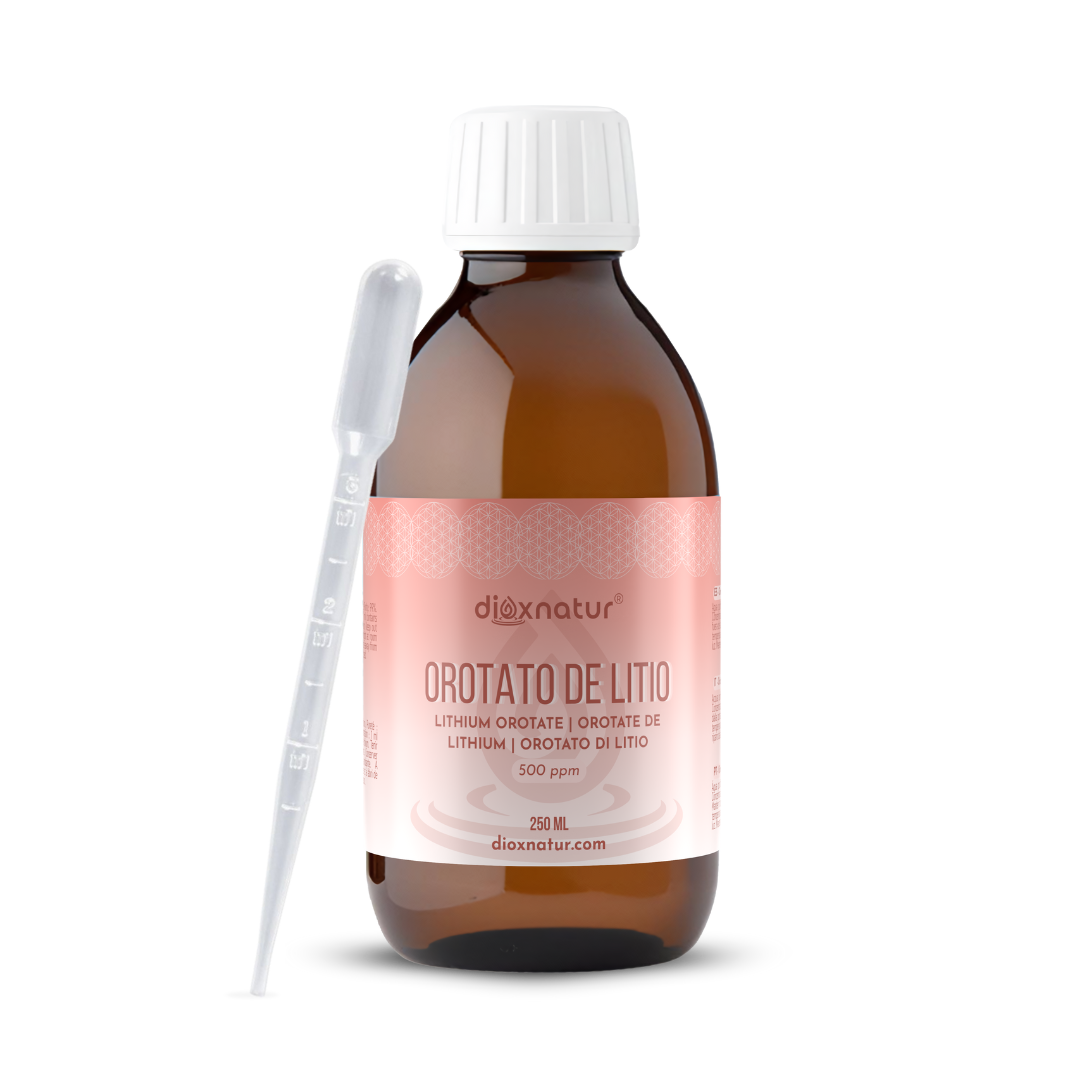


When we think of essential minerals , magnesium , calcium , or zinc usually come to mind. However, there is another key mineral that rarely receives the attention it deserves: lithium .
Although primarily associated with psychiatric medications , lithium is actually a naturally occurring trace element found in soil, water, and various foods. Its role in the body extends far beyond the medical realm: lithium contributes to emotional well-being , brain health , and resilience to stress .
What effects does lithium deficiency cause?
Low lithium levels can cause mood swings, anxiety, mental confusion , and difficulty managing stress . Fortunately, low doses of lithium can provide significant benefits for mental well-being.
Why lithium is essential for the body and brain
Lithium performs essential functions even in very small amounts . It helps regulate neurotransmitters such as serotonin and dopamine , which influence mood , attention , and emotional stability .
In addition, multiple studies have shown that lithium acts as a neuroprotective agent , as it protects neurons from oxidative damage and inflammation , processes closely related to cognitive decline and mood disorders .
Interestingly, populations that consume water rich in naturally occurring lithium have lower rates of depression and suicide . Although the mechanisms are still being investigated, evidence indicates that this mineral plays a key role in mental and neurological health .
Symptoms and signs of a possible lithium deficiency
Lithium deficiency can go unnoticed, but it usually manifests itself through certain symptoms:
Emotional symptoms
-
Frequent or unpredictable mood swings.
-
Increased anxiety , irritability , or a feeling of constant stress .
-
Difficulty staying calm or processing emotions.
Cognitive symptoms
-
Mental confusion , forgetfulness, or lack of concentration.
-
Problems organizing ideas or maintaining attention.
Physical symptoms
-
Persistent tiredness , sleep disturbances, and increased sensitivity to stress .
-
Lithium helps regulate circadian rhythms , so a deficiency can affect sleep and daily energy.
Common causes of lithium deficiency
Several factors can reduce the body's natural lithium levels:
-
Lithium depletion in soil and drinking water , due to intensive agricultural practices.
-
A diet low in whole foods and high in ultra-processed products.
-
Chronic stress , illnesses, or certain medications increase the internal demand for lithium.
In areas where environmental lithium is low, people do not get enough through food , which can affect their emotional and cognitive well-being.
How to know if you need more lithium
Lithium is not usually included in routine blood tests, so a deficiency can go unnoticed. However, specialists in functional medicine or orthomolecular nutrition can measure it through hair mineral analysis or dietary assessments.
If you suffer from ongoing stress, emotional ups and downs, or mental fatigue , it might be worth consulting a professional about the possibility of low-dose lithium supplementation .
How to optimize lithium levels
Natural sources of lithium
Obtaining lithium through diet is the most balanced way to maintain healthy levels. Some foods rich in lithium include:
-
Leafy green vegetables
-
Nuts and seeds
-
Whole grains
-
Mineral or spring water with a high lithium content
If you want to know more about lithium in food and diet, continue reading here .
Low-dose lithium supplements
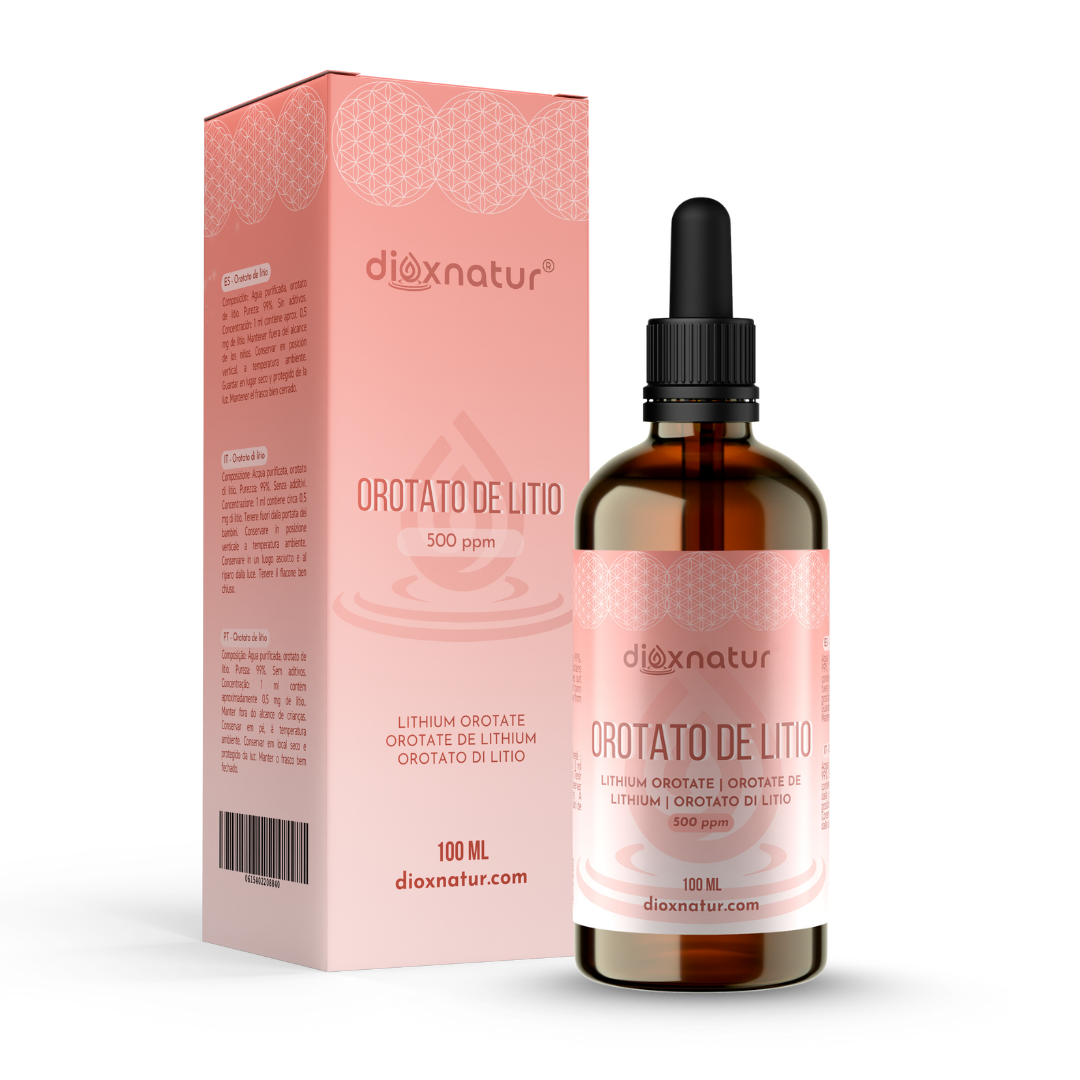
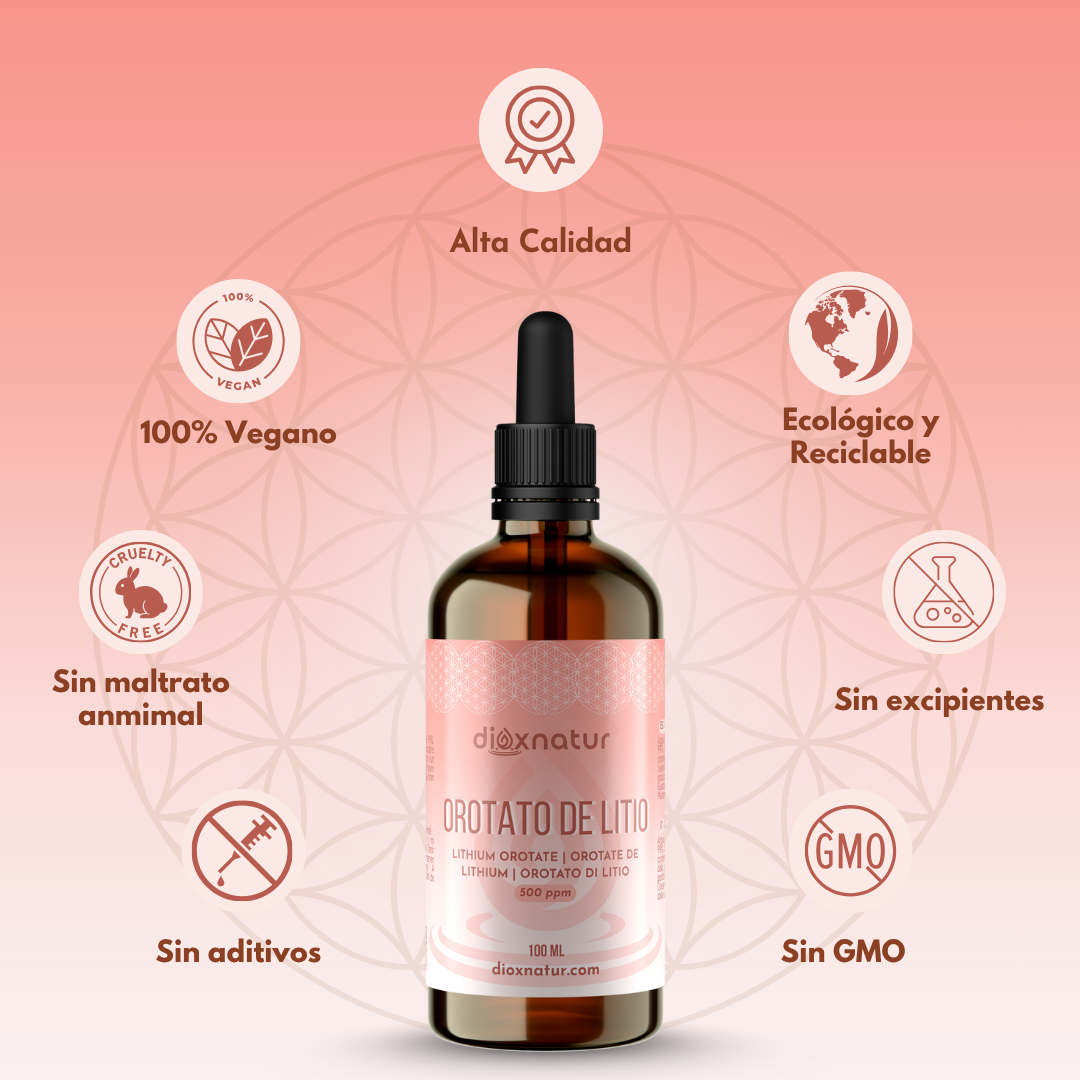
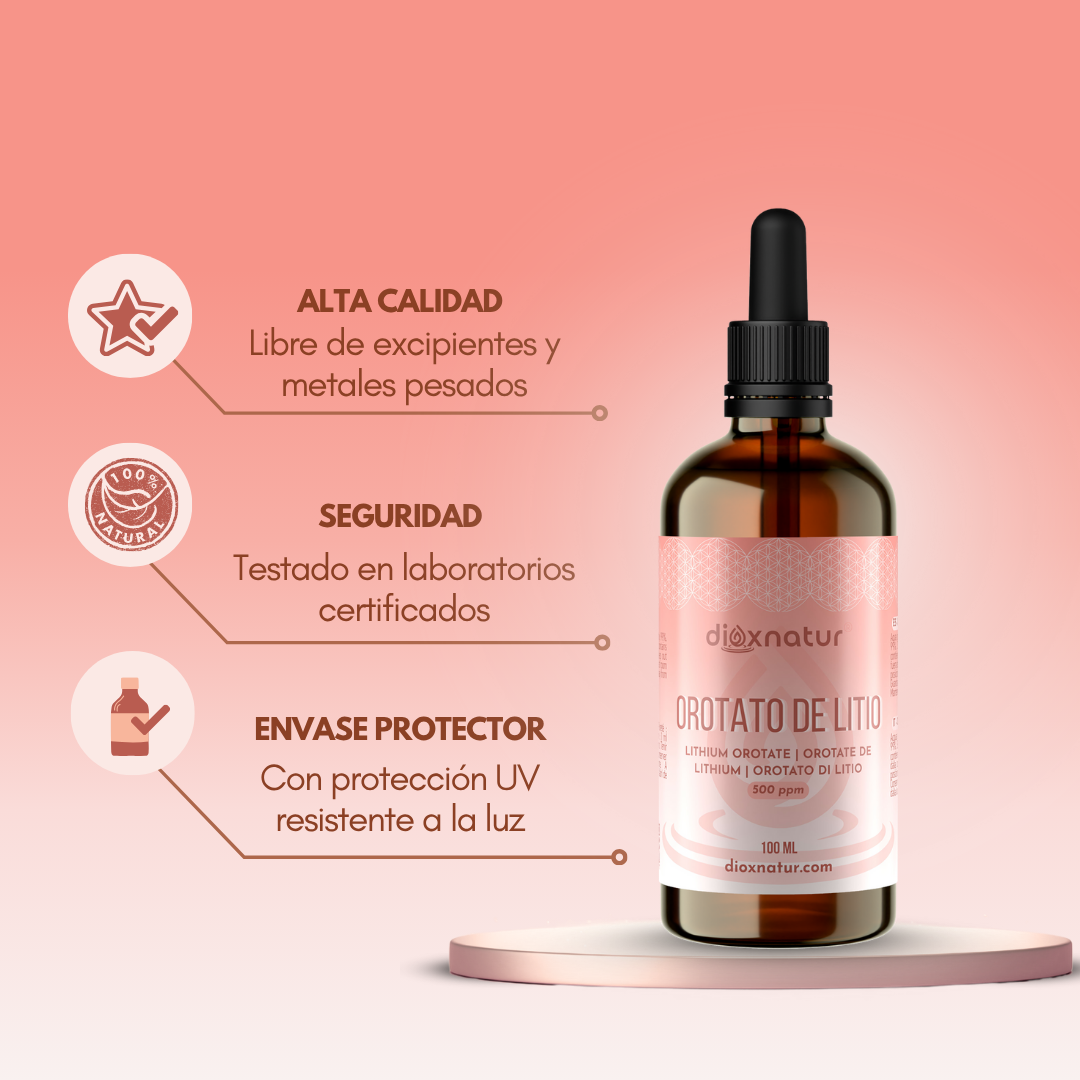
* In the EU, lithium orotate is not authorized as a food supplement. Our lithium orotate is offered exclusively for laboratory and research use . This information is provided for informational purposes for users in the United States or Canada, where the consumption of lithium orotate is permitted.
When diet alone is insufficient, lithium orotate is one of the most common forms of supplementation . Unlike pharmaceutical lithium (such as lithium carbonate), orotate is used in safe microdoses , typically between 1 and 5 mg per day , enough to support brain function and emotional balance without the risk of adverse effects.
Habits that enhance the effects of lithium
In addition to adequate lithium intake, certain habits can enhance its effect and improve overall well-being:
-
Reducing stress : practices such as meditation , yoga , or conscious breathing help to balance neurotransmitters and reduce emotional overload.
-
Take care of your nutrition : magnesium and omega-3 work in synergy with lithium to stabilize mood.
-
Proper hydration : consuming water with natural minerals can provide small amounts of lithium on a constant basis.
A small mineral with a big impact
Lithium is one of the most underrated minerals in mental and cognitive health.
Optimizing your intake, whether through food , mineral-rich water , or microdosed lithium orotate , can make a noticeable difference in emotional well-being, concentration, and resilience to stress .
Sometimes, the key to improving mental health lies not in complex medications, but in essential nutrients that help the brain function in balance.